 Bitcoin
  Ethereum
  Tether
  BNB
BNB  XRP
XRP  USDC
USDC  Solana
  TRON
TRON  Lido Staked Ether
  Figure Heloc
  Dogecoin
  USDS
USDS  WhiteBIT Coin
  Bitcoin Cash
  LEO Token
  Wrapped stETH
  Cardano
  Hyperliquid
  Wrapped Bitcoin
  Chainlink
  Binance Bridged USDT (BNB Smart Chain)
  Monero
  Wrapped Beacon ETH
  Ethena USDe
  Canton
  Stellar
  Wrapped eETH
  USD1
USD1  Dai
Dai  sUSDS
sUSDS  Zcash
Zcash  Litecoin
  MemeCore
  Coinbase Wrapped BTC
  Rain
Rain  PayPal USD
  Avalanche
  WETH
WETH  Hedera
  Shiba Inu
  Sui
Sui  USDT0
USDT0  Toncoin
  Cronos
  Bittensor
  World Liberty Financial
  Circle USYC
  Tether Gold
  PAX Gold
  Ethena Staked USDe
 Stablecoin Cross Border Payments: Fast Global Transfers Guide
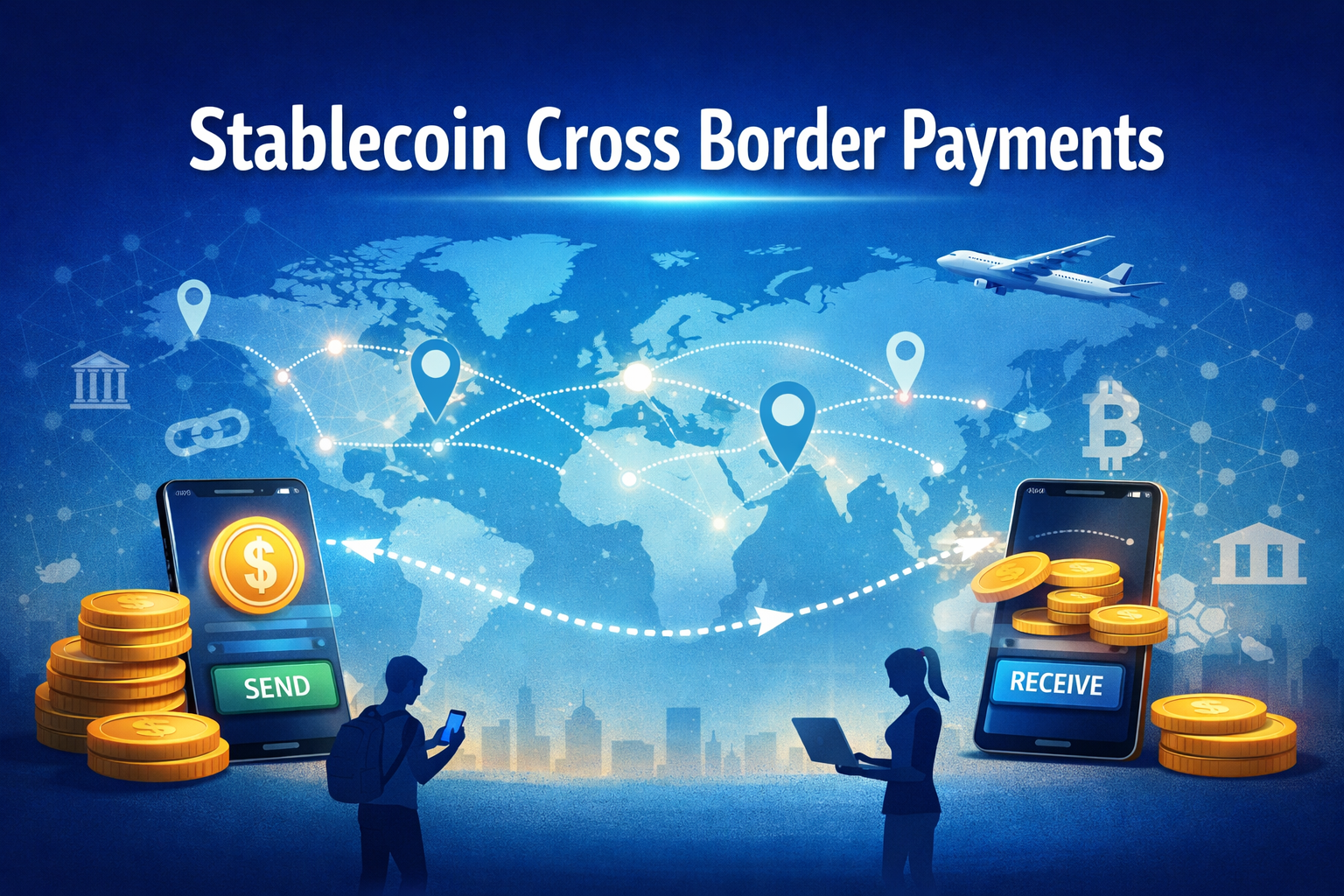
Stablecoin cross-border payments are transforming how money moves across the world. Traditional cross-border payments are often slow and expensive. Many people wait several days for an international money transfer to complete, and fees can be very high. This creates problems for freelancers, businesses, and families sending money abroad. Stablecoins offer a modern solution. They enable fast digital payments using blockchain technology. Users can send money within minutes instead of days. These systems are becoming popular for global remittances and online transactions. With lower costs and better speed, stablecoins are helping people access global finance more easily than ever before.
Table of Contents
What are stablecoin cross-border payments?
Stablecoin cross-border payments are international transactions that use stablecoins instead of traditional currencies. Stablecoins are digital assets designed to maintain a stable value, usually linked to the US dollar.
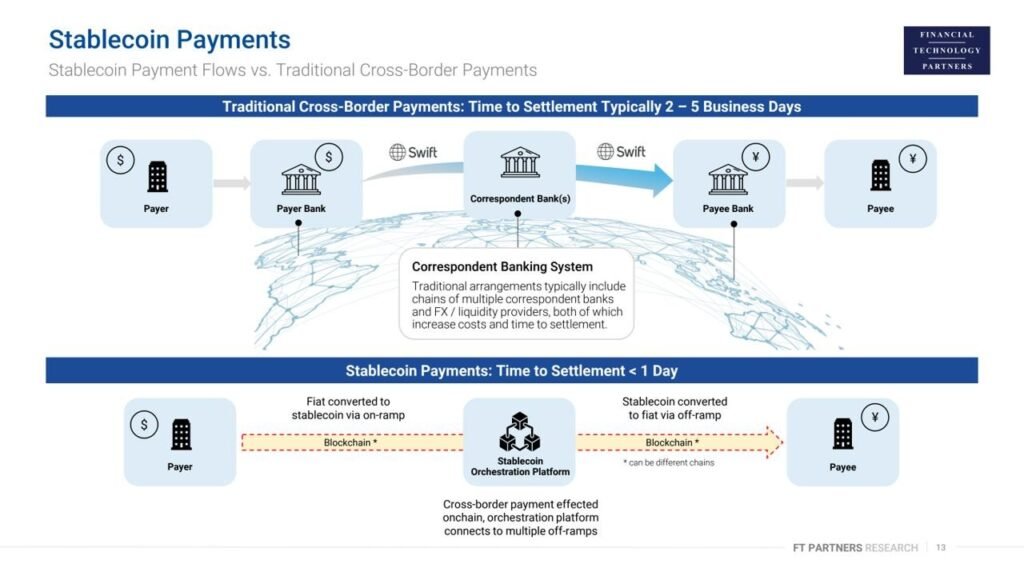
These payments are part of modern blockchain payments. They allow users to send money directly without banks. This enables faster, more efficient peer-to-peer transactions. Unlike traditional systems, there are no multiple intermediaries involved.
Because of this, stablecoins improve remittance solutions for individuals and businesses. They reduce delays and make international money transfers easier and more reliable.
How stablecoin payments work in Simple Terms
6
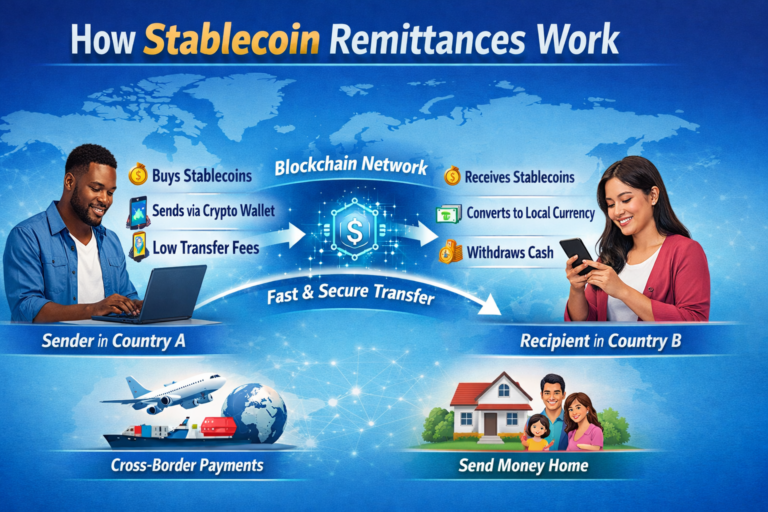
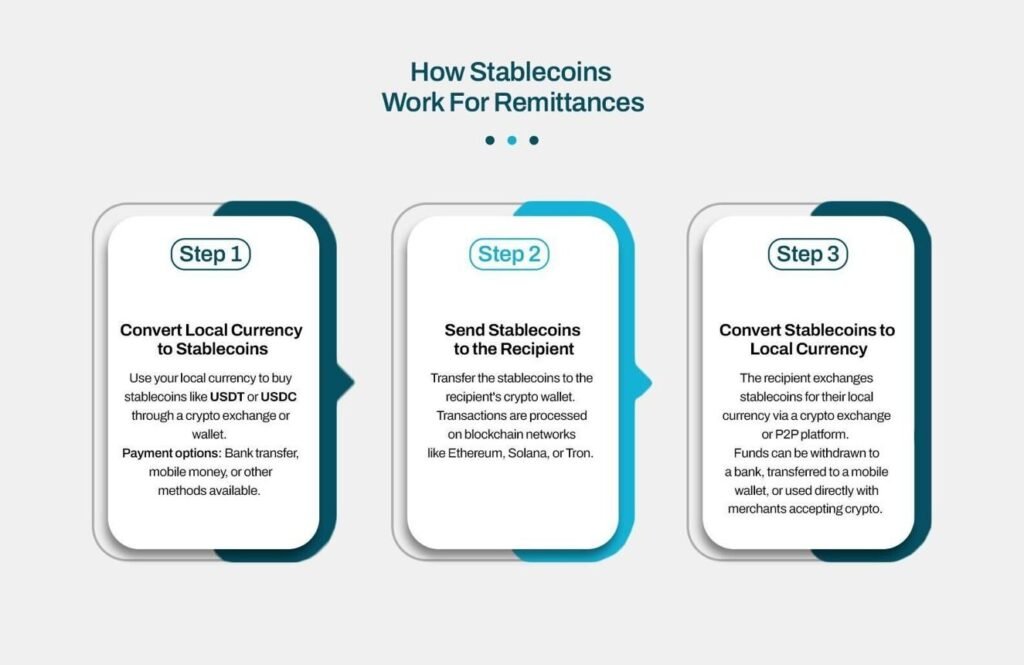
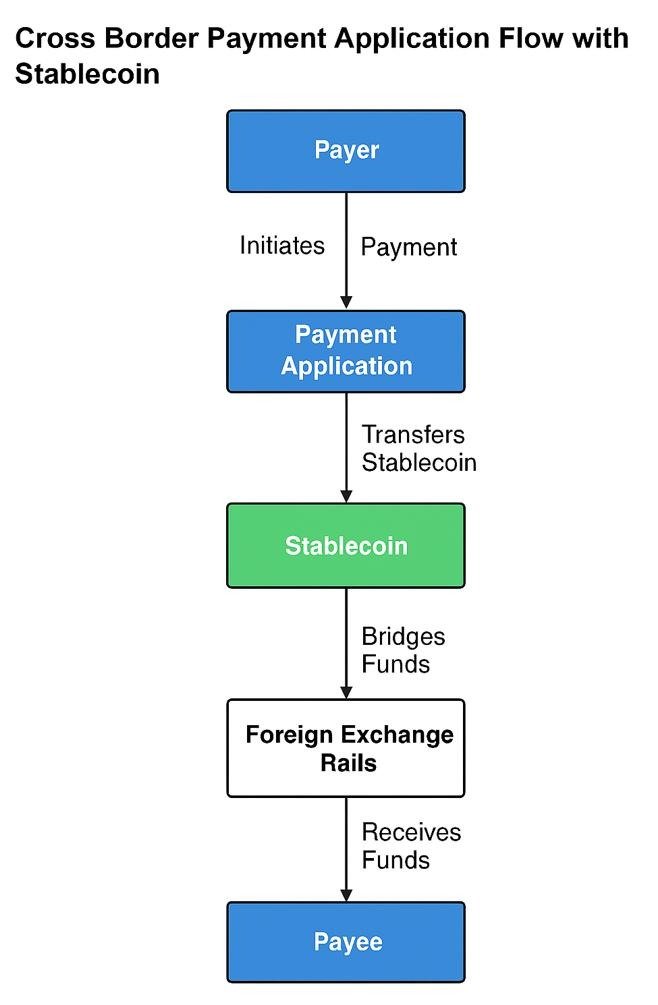
To understand how stablecoin payments work, you only need to follow a few simple steps. First, the sender converts local currency into stablecoins using a crypto platform.
Next, the sender transfers the stablecoins to the receiver using blockchain. This step takes only a few minutes. The receiver gets the funds instantly in their wallet.
Finally, the receiver can convert the stablecoins into local currency or keep them. This process forms a reliable crypto remittance system. It also enables fast, secure, and stablecoin-based international transfers worldwide.
Key benefits of stablecoin payments for Global Users
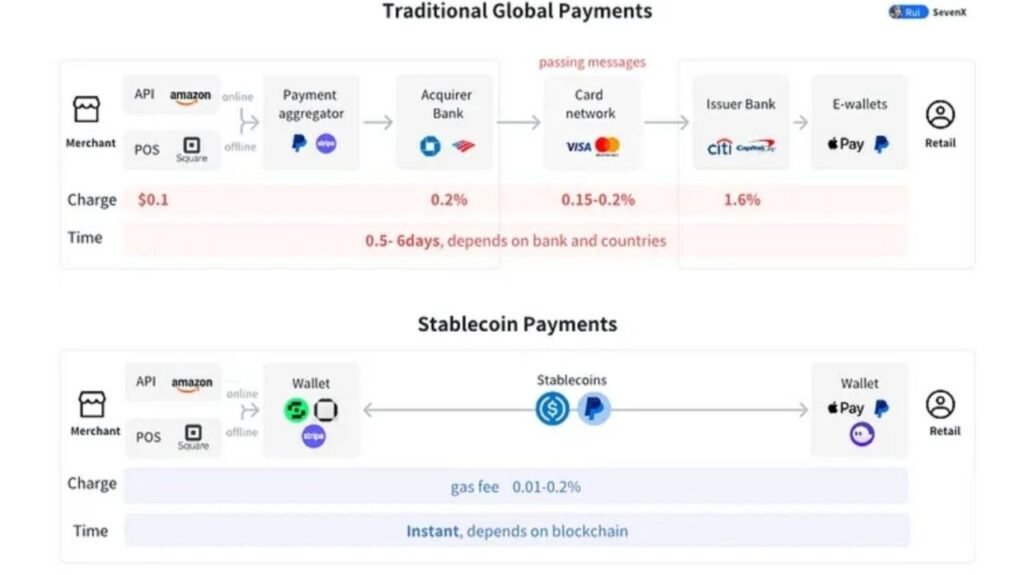
The benefits of stablecoin payments are one of the main reasons for their rapid growth. Transactions are completed quickly, often within minutes. This is much faster than traditional banking systems.
Another major benefit is cost. Fees are very low compared to banks. This makes stablecoins perfect for global remittances. People can send more money without losing a large portion to fees.
Stablecoins also improve financial access. Many unbanked populations cannot use traditional banks. Stablecoins allow them to participate in the global economy. This is especially important in emerging markets where banking services are limited.
Overall, stablecoins support global financial inclusion by making financial services accessible to more people.
stablecoin vs traditional banking for Cross Border Transfers
| Feature | Stablecoins | Traditional Banks |
| Speed | Minutes | 2–5 Days |
| Fees | Low | High |
| Access | Global | Limited |
| Availability | 24/7 | Limited |
When comparing stablecoin vs traditional banking, stablecoins clearly offer advantages. Banks depend on outdated systems and require multiple intermediaries.
Stablecoins remove these steps. This improves efficiency and speed. They make blockchain cross-border payments more practical for daily use.
As a result, stablecoins are becoming a strong alternative to traditional remittance solutions.
Role of digital wallets in Stablecoin Payments
Digital wallets are essential tools for using stablecoins. They allow users to store, send, and receive digital assets easily.
These wallets give users full control over their money. There is no need for a bank account. This makes blockchain payments more accessible to everyone.
Understanding wallets also helps users learn the stablecoin payment system explained in simple terms. With user-friendly apps, even beginners can use stablecoins without difficulty.
Real Use Cases of stablecoin remittances
Stablecoin remittances are already being used in real life. Freelancers receive payments from international clients quickly. This supports fast and efficient digital payments.
Families also use stablecoins to send money home. This makes international money transfer cheaper and faster. It also reduces dependency on traditional services.
These systems allow secure peer-to-peer transactions. They are especially helpful in emerging markets, where financial systems are less developed.
Businesses are also adopting stablecoins. They use them to pay suppliers and partners globally without delays.
Challenges in stablecoin cross-border payments
Although stablecoin cross-border payments offer many benefits, there are still challenges. One major issue is regulation. Different countries have different rules for cryptocurrencies.
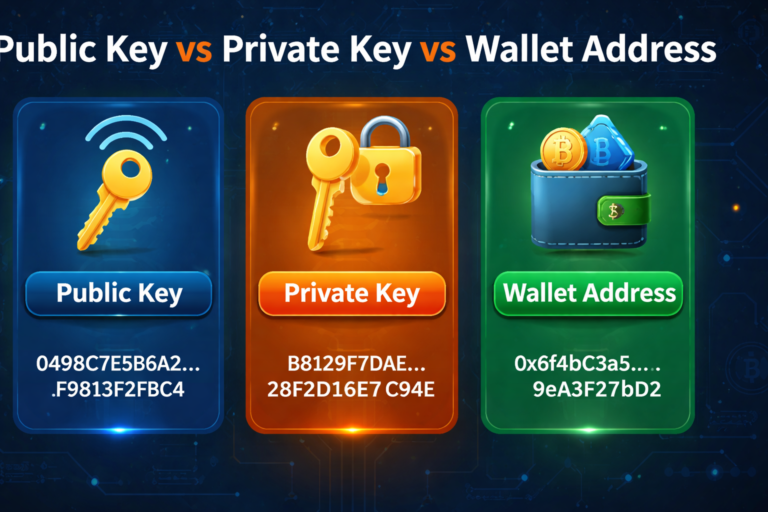
Security is another concern. Users must protect their wallets and private keys. Losing access can result in loss of funds.
There is also a learning curve. Some people do not understand how blockchain works. However, as education improves, adoption will continue to grow.
The future of cross-border payments with Stablecoins


The future of cross-border payments is moving towards digital systems. Stablecoins are leading this transformation.
More companies and financial institutions are adopting stablecoin cross-border payments. These systems offer better speed, lower cost, and global reach.
In the future, stablecoins may replace traditional banking systems for many transactions. As technology improves, adoption will increase across the world.
Conclusion (Call to Action)
Stablecoin cross-border payments are shaping the future of global finance. They provide fast, secure, and affordable solutions for international money transfer.
If you want to stay ahead in the digital economy, now is the time to explore stablecoins. Start using blockchain payments and modern tools today. This will help you take advantage of faster and smarter financial systems.
FAQs About Stablecoin Cross Border Payments
1. What are stablecoin cross-border payments?
They are global transactions made using stablecoins on blockchain networks.
2. How do stablecoin payments work?
Users convert money into stablecoins, send them via blockchain, and receivers convert or hold them.
3. Are stablecoin payments safe?
Yes, if users use secure digital wallets and follow best practices.
4. Why are stablecoins better for remittances?
They offer faster and cheaper transfers compared to traditional systems.
5. What is the future of stablecoin payments?
The future of cross-border payments will rely heavily on stablecoins and blockchain technology.