Is the Fed Hawkish or Dovish on $100 Oil? 2026 Outlook
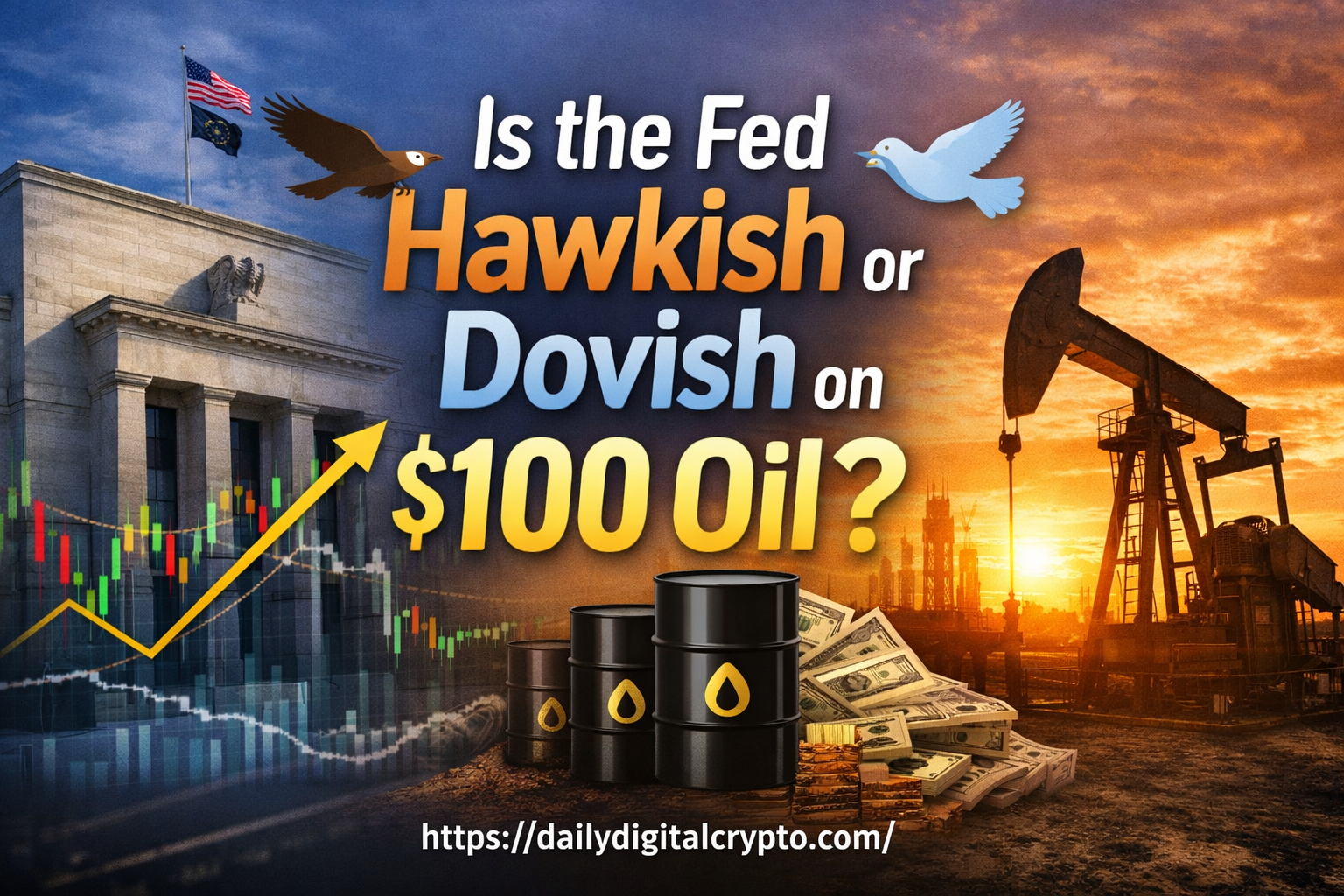
Is the Fed hawkish or dovish on $100 oil? This question is critical in 2026. Oil prices are moving close to $100 again. This creates pressure on inflation and the economy. The Federal Reserve controls interest rates and money flow. Its monetary policy stance determines market direction. When oil prices rise, Energy-Driven Inflation increases. This forces the Fed to act carefully. Investors in the US and global markets are watching closely.
Also Read: World Liberty Financial Super Nodes Guide 2026
Table of Contents
What Hawkish or Dovish Means in Fed Policy
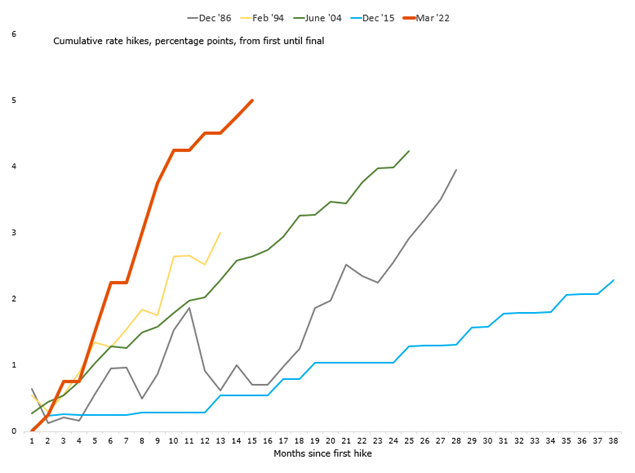
A hawkish Fed focuses on controlling inflation. It raises interest rates and reduces spending. A dovish Fed supports growth by lowering rates and increasing liquidity.
Right now, the Fed shows a mixed Monetary Policy Disposition. It is not fully aggressive. It is also not fully relaxed. This is called a Hawkish Pause, where the Fed stops rate hikes but keeps a strict tone.
Why $100 Oil Is Important for the Fed
Oil prices affect every part of the economy. When oil reaches $100, transport costs increase. Food and goods also become expensive. This leads to Energy-Driven Inflation.
At the same time, high prices slow economic growth. This creates Stagflation Risks. The Fed must balance inflation and growth at the same time.
Also Read: How Much Bitcoin Does the US Government Own?
Is the Fed Hawkish or Dovish on $100 Oil in 2026?
In 2026, the Fed is slightly hawkish. It wants to control inflation and reach the 2% Inflation Target. But it is also careful not to slow the economy too much.
The Fed follows data closely. It tracks Core PCE (Personal Consumption Expenditures) as its main inflation indicator. It also uses the CME FedWatch Tool to understand market expectations.
How FOMC Decisions Affect Oil and Rates
The FOMC (Federal Open Market Committee) makes key decisions on interest rates. It studies inflation, employment, and global risks before acting.
If oil prices rise due to strong demand, the Fed may act faster. If prices rise due to a Supply-Side Shock, the response may be slower and more cautious.
Also Read: US Court Dismisses Uniswap Class Action
Oil Supply Shocks and Global Risks
Oil prices often rise due to global tensions. Issues near the Strait of Hormuz / Kharg Island can disrupt supply. This creates a Supply-Side Shock.
Such shocks increase inflation but also slow growth. The Fed must decide carefully. It cannot overreact, but it also cannot ignore rising prices.
Key Factors That Influence Fed Policy on $100 Oil
| Factor | Impact on Fed Decision |
| Inflation Data | Pushes Fed toward hawkish stance |
| Economic Growth | Weak growth supports dovish policy |
| Oil Supply Issues | Leads to cautious decisions |
| Market Expectations | Guides Fed communication |
| Employment Data | Strong jobs allow rate hikes |
Impact of Hawkish Fed on $100 Oil
A hawkish Fed raises interest rates. This slows down borrowing and spending. As demand falls, oil consumption also decreases.
Higher rates also strengthen the US dollar. A strong dollar makes oil more expensive globally. This can reduce demand and keep prices stable.
Impact of Dovish Fed on $100 Oil
A dovish Fed supports growth by keeping rates low. This increases spending and investment. Oil demand rises in this environment.
As demand increases, oil prices may move above $100. This also increases Energy-Driven Inflation, creating pressure on the Fed again.
Competitor Insights and Market Trends
Top US platforms like Bloomberg focus on global risks. They highlight Brent Crude volatility and geopolitical tensions. Reuters focuses on policy signals like the Dot plot and the rate cut expectations.
Seeking Alpha provides market strategies. It discusses WTI futures, Inflation hedge, and Monetary tightening. Using these terms improves topical authority and helps rank in US search results.
Future Outlook: Fed Policy and Oil Prices
The future depends on inflation and economic growth. If inflation stays high, the Fed may remain hawkish. If growth slows, it may turn dovish.
The Fed will keep tracking Core PCE (Personal Consumption Expenditures) and aim for the 2% Inflation Target. Oil prices and global risks will continue to influence decisions.
Conclusion: Is the Fed Hawkish or Dovish on $100 Oil?
So, is the Fed hawkish or dovish on $100 oil? The answer is balanced. The Fed is slightly hawkish in 2026 but remains flexible.
Its Monetary Policy Disposition depends on real-time data. Oil prices, inflation, and global risks all matter. Investors should follow these signals closely to understand future market trends.
Stay updated with Fed policy and oil market changes to make smarter investment decisions.
FAQs: Is the Fed Hawkish or Dovish on $100 Oil?
1. Is the Fed hawkish or dovish in 2026?
The Fed is slightly hawkish but flexible based on economic data.
2. Why is $100 oil important for the Fed?
It creates Energy-Driven Inflation and increases economic pressure.
3. What is the Fed’s main inflation measure?
The Fed tracks Core PCE (Personal Consumption Expenditures).
4. What is a Hawkish Pause?
It means the Fed stops rate hikes but keeps a strict policy tone.
5. What causes oil supply shocks?
Issues near the Strait of Hormuz / Kharg Island can create a Supply-Side Shock.