What Is Blockchain Technology? Simple Guide to Blockchain Meaning and How It Works
Blockchain technology is one of the most important innovations in the modern digital world. Many people hear about blockchain when they read about cryptocurrency or digital payments. However, beginners often ask the same question: What is blockchain technology, and why is it important today? To understand this concept, it helps to first define blockchain. Blockchain is a secure system used to record and store information in a digital format. Instead of storing information in one place, blockchain distributes data across many computers connected to a network.
This system is trusted because once data is recorded, it becomes very difficult to change. This makes blockchain technology a reliable solution for financial transactions, digital assets, and secure data storage. In this beginner-friendly guide, you will learn the blockchain’s meaning, how a blockchain system works, and why this technology is transforming industries around the world.
Table of Contents
What Is Blockchain Technology and the Blockchain Meaning
To understand what blockchain technology is, we must first look at the basic blockchain meaning. Blockchain is a shared record system that stores information in a chain of digital blocks. Each block contains data, and these blocks are connected in chronological order.
This system works as a digital ledger that records transactions across a network of computers. Instead of a single authority controlling the data, the information is shared across many participants.
Blockchain is also known as distributed ledger technology because the records are distributed across many systems. Each computer in the network stores a copy of the ledger, which makes the system more transparent and secure.
The blockchain network also functions like a blockchain database. However, unlike traditional databases, the records in blockchain are permanent and cannot easily be modified. This unique structure helps maintain trust and accuracy within the network.
How Blockchain Technology Works
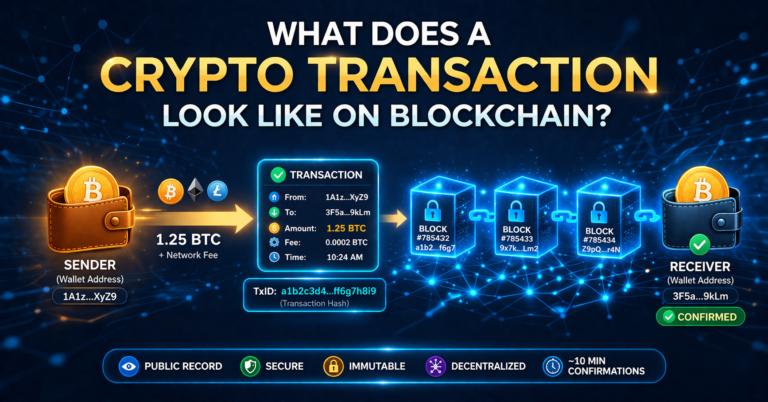
Understanding what blockchain technology is becomes easier when you learn how a blockchain transaction works. When someone sends digital assets or records data on the blockchain, the transaction request is broadcast to a network of computers.
These computers check the request through a process called blockchain verification. During verification, the network confirms that the transaction is valid and follows the rules of the blockchain.
After verification, the transaction is grouped with other transactions to form a block. The block is then added to the chain using a secure blockchain protocol.
Once the block is added to the chain, the blockchain transaction becomes permanent. Because the data is stored across many computers, it becomes extremely difficult for hackers to manipulate the system. This is one reason why blockchain provides strong security.
Blockchain Transaction and Verification Process
Every blockchain transaction goes through a clear process before it becomes part of the blockchain. First, the transaction request is sent to the network. Then the network checks the details through blockchain verification.
After verification, the transaction joins other transactions in a new block. This block is connected to the previous block through a secure cryptographic link.
The system follows specific rules defined by the blockchain protocol. These rules ensure that all network participants agree on the accuracy of the transaction.
Because every transaction must pass through this process, blockchain networks maintain strong blockchain security and reliable records.
Blockchain Explained in Simple Words
For beginners, a simple blockchain explained example can help clarify the concept. Imagine a digital notebook that is shared with thousands of computers around the world. Every time a new entry is added, all participants can see the update.
This notebook represents a digital ledger where records are visible and verified by the network. Because the ledger is shared across many computers using distributed ledger technology, no single person can secretly change the data.
This shared structure creates a secure blockchain database that stores information in a transparent way. That is why blockchain is often described as a trust-based digital record system.
When experts provide a blockchain explained overview, they often highlight transparency and security as the key advantages.
Bitcoin Blockchain and Ethereum Blockchain
Blockchain technology became popular with the launch of the Bitcoin blockchain. Bitcoin introduced a decentralized system that allows people to send digital money without banks or financial institutions.
The bitcoin blockchain records every transaction in a public ledger that anyone can verify. This transparency helps build trust among users of the network.
Another major blockchain platform is the Ethereum blockchain. Unlike Bitcoin, Ethereum allows developers to create applications and digital contracts on the blockchain network.
The Ethereum blockchain supports decentralized applications and advanced financial systems. Because of these capabilities, Ethereum has become an important part of the growing blockchain ecosystem.
Blockchain Mining and Blockchain Security
Many blockchain networks rely on a process called blockchain mining. Mining is used to verify transactions and add new blocks to the blockchain network.
During blockchain mining, powerful computers solve complex mathematical problems. When a problem is solved, a new block is created and added to the chain.
This process helps maintain strong blockchain security because it requires large computing resources. It also prevents unauthorized users from altering the blockchain records.
Because every transaction must pass through blockchain verification, blockchain technology remains one of the most secure digital systems available today.
Tokenization and the Blockchain Ecosystem
Another important innovation in blockchain technology is tokenization. Tokenization allows real-world assets to be represented as digital tokens on a blockchain network.
These tokens can represent ownership of assets such as property, artwork, or digital goods. Because the records are stored on blockchain, the ownership data remains transparent and secure.
Tokenization is part of the expanding blockchain ecosystem, which includes developers, businesses, and users building new digital systems. The blockchain ecosystem continues to grow as more industries adopt blockchain technology.
Through tokenization, businesses can create new ways to manage and trade assets in the digital economy.
Blockchain Applications and Real Blockchain Use Cases
Today, there are many practical blockchain applications across industries. Companies are using blockchain to improve security, transparency, and efficiency in digital systems.
Financial institutions use blockchain to process payments and store financial records. Supply chain companies use blockchain to track goods from manufacturers to retailers.
Healthcare organizations also use blockchain databases to store patient records safely. These real-world blockchain use cases show how blockchain technology can improve data management.
Because of these growing blockchain applications, blockchain technology is becoming an important tool for businesses worldwide.
Decentralized Finance (DeFi) and the Future of Blockchain
One of the fastest-growing areas in blockchain technology is decentralized finance (DeFi). DeFi platforms allow people to access financial services without traditional banks.

Through decentralized finance (DeFi) systems, users can borrow money, trade digital assets, and earn interest on cryptocurrency holdings. These services operate using blockchain networks and smart contracts.
DeFi platforms often run on networks like the Ethereum blockchain, which supports advanced financial applications. As more users adopt these systems, the role of blockchain technology in global finance will continue to expand.
The growth of DeFi also highlights the importance of innovation within the blockchain ecosystem.
Conclusion: Why Blockchain Technology Matters
Blockchain technology is transforming how digital systems record and manage data. By using distributed ledger technology, blockchain creates a transparent and secure network for storing information. From the Bitcoin blockchain to the Ethereum blockchain, this technology is powering modern digital economies. Through processes like blockchain mining, blockchain verification, and strong blockchain security, blockchain networks provide reliable and tamper-resistant records.
Innovations such as tokenization and decentralized finance (DeFi) are expanding the possibilities of blockchain technology. As the blockchain ecosystem continues to grow, new blockchain applications and blockchain use cases will emerge across industries. Understanding what blockchain technology is today can help individuals and businesses prepare for the future of digital innovation.
FAQs About What Is Blockchain Technology?
What is blockchain technology in simple words?
Blockchain technology is a digital system that records transactions across many computers so the data cannot easily be changed.
What is the meaning of blockchain?
The blockchain refers to a chain of digital blocks that store data securely using distributed ledger technology.
How does a blockchain system work?
A blockchain system works by verifying transactions through network computers and recording them permanently in a digital ledger.
What are common blockchain applications?
Common blockchain applications include cryptocurrency transactions, supply chain tracking, digital identity systems, and financial services.
What is the difference between the Bitcoin blockchain and the Ethereum blockchain?
The Bitcoin blockchain mainly focuses on digital payments, while the Ethereum blockchain supports decentralized applications and smart contracts.