How Does Blockchain Work? Simple 2026 Guide
Many people today are curious about digital currencies and modern internet systems. Because of this, one common question appears online: how does blockchain work? Understanding how blockchain works is important because this technology powers many modern digital services.
Blockchain technology lies at the heart of this innovation. It is a system designed to record information safely and transparently. Instead of storing data in one place, the information is shared across a blockchain network. This design improves blockchain security and makes it extremely difficult for anyone to change data.
Blockchain is widely known for supporting cryptocurrencies. However, it is also becoming important in finance, healthcare, logistics, and many other industries. To understand its impact, it is helpful to learn how the system actually works.
Table of Contents
What Is Blockchain Technology?
To understand how blockchain works, we must first understand blockchain technology. Blockchain is a digital ledger that records transactions across many computers.
Also Read: Altcoin Daily YouTube
In traditional systems, a single organization stores and controls data. In contrast, blockchain technology distributes data across many computers connected to a blockchain network. Each computer keeps a copy of the same ledger.
This design improves transparency and trust. Every transaction recorded in blockchain technology becomes visible to participants in the blockchain ecosystem. Because of this, the system reduces the need for middlemen such as banks.
The decentralized structure also strengthens blockchain security. Since many computers hold the same data, it becomes extremely difficult for hackers to manipulate the system.
How Transactions Enter a Blockchain Network
When someone sends digital currency or records information, the transaction enters the blockchain network. The network is made up of many computers called nodes.
Each node in the blockchain network receives the transaction and checks whether it is valid. For example, the network checks whether the sender has enough funds and whether the transaction follows the rules of blockchain technology.
Once verified, the transaction becomes part of a group of transactions. These transactions are prepared to be stored inside a block.
This process is important because it protects the integrity of the system. The verification process strengthens blockchain security and ensures that invalid transactions are rejected.
How Blocks Store Data in Blockchain Technology
In blockchain technology, information is stored in units called blocks. Each block holds a group of verified transactions.
A block includes several important elements. It contains transaction data, a timestamp, and a unique digital code called a hash. The hash works like a unique fingerprint for the block.
The block also contains the hash of the previous block. This connection links all blocks together and forms the chain.
| Block Component | Description |
| Transaction Data | Information about the transactions |
| Timestamp | Time when the block was created |
| Block Hash | Unique digital fingerprint |
| Previous Hash | Link to the previous block |
Because each block connects to the previous one, altering information becomes extremely difficult. This design plays a major role in maintaining strong blockchain security.
How Blockchain Security Protects Data
One of the biggest advantages of blockchain technology is its strong security. In traditional databases, hackers only need to attack one central server.
However, blockchain works differently. Data is stored across many computers in the blockchain network. To manipulate the data, an attacker would need to control a majority of the computers in the network.
This level of difficulty makes blockchain highly secure. Every transaction must also be confirmed by the blockchain network, which prevents unauthorized changes.
Because of these features, organizations trust blockchain technology to store valuable information. The strong blockchain security model helps protect financial transactions, digital assets, and sensitive records.
What is a Blockchain Explorer?
Transparency is another important part of blockchain technology. Anyone can verify transactions through a tool known as a blockchain explorer.
A blockchain explorer is a website or application that allows users to view blockchain data. It works like a search engine for blockchain records.
By using a blockchain explorer, users can track transactions, view block details, and monitor wallet activity. This helps people understand how blockchain works in real time.
The availability of a blockchain explorer increases trust within the blockchain ecosystem because anyone can independently verify the data.
Understanding the Blockchain Ecosystem
The blockchain ecosystem is a large network of technologies and participants that work together. It includes developers, blockchain platforms, cryptocurrency users, and decentralized applications.
Developers build software using blockchain technology to create new services. Businesses use the blockchain network to manage transactions and track assets.
Within the blockchain ecosystem, different projects provide tools for payments, smart contracts, digital identity systems, and financial services.
As more companies adopt blockchain solutions, the blockchain ecosystem continues to grow rapidly. The combination of transparency, efficiency, and blockchain security makes this technology attractive to many industries.
How Blockchain Technology Is Used in the Real World
Today, blockchain technology is used in many industries around the world. While cryptocurrency remains the most popular application, the technology has many other uses.
Financial institutions are exploring blockchain technology to improve payment systems. The blockchain network allows transactions to be completed quickly and securely without relying on traditional intermediaries.
Supply chain companies also benefit from blockchain. By using the blockchain network, businesses can track goods from manufacturing to delivery. This increases transparency within the blockchain ecosystem.
Healthcare organizations are also exploring blockchain. Medical records stored through blockchain technology can be shared securely between hospitals while maintaining strong blockchain security.
These real-world uses show how blockchain is transforming multiple industries.
Key Advantages of Blockchain Technology
There are several reasons why blockchain technology is gaining global attention. One major advantage is transparency. Every transaction recorded on the blockchain network can be verified.
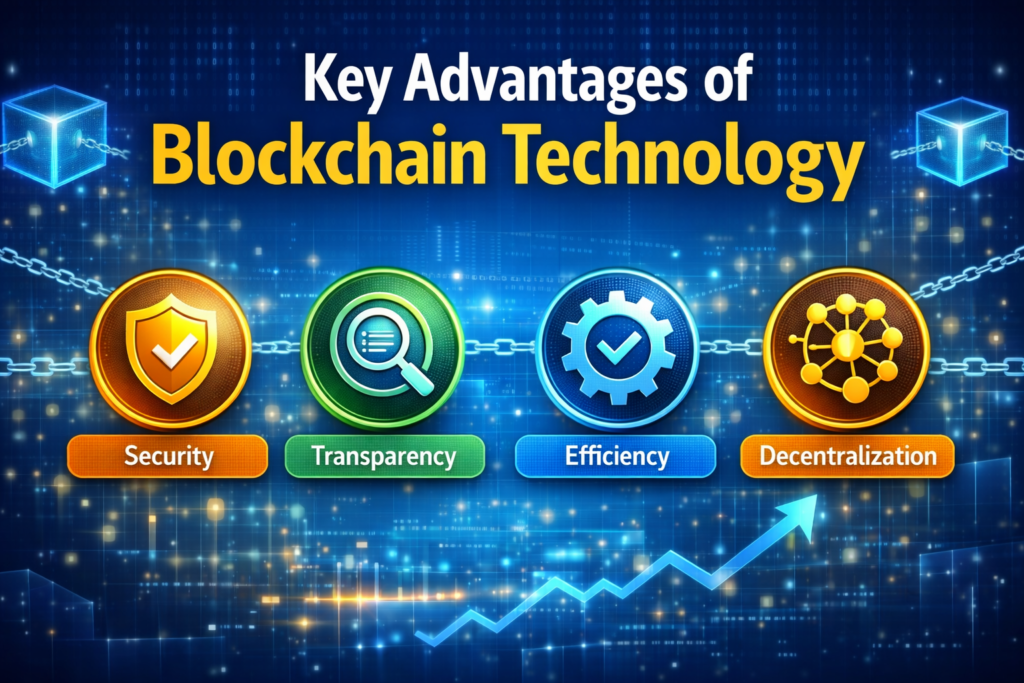
Another advantage is efficiency. Transactions on the blockchain network can be processed without traditional middlemen, reducing costs and delays.
Security is also a key benefit. The design of blockchain technology ensures strong blockchain security through encryption and distributed verification.
Finally, the growth of the blockchain ecosystem allows developers to create new decentralized applications and financial tools that operate independently of traditional institutions.
Challenges Facing Blockchain Technology
Although blockchain technology offers many benefits, it also faces some challenges.
One issue is scalability. Large blockchain networks may struggle to process a high number of transactions quickly.
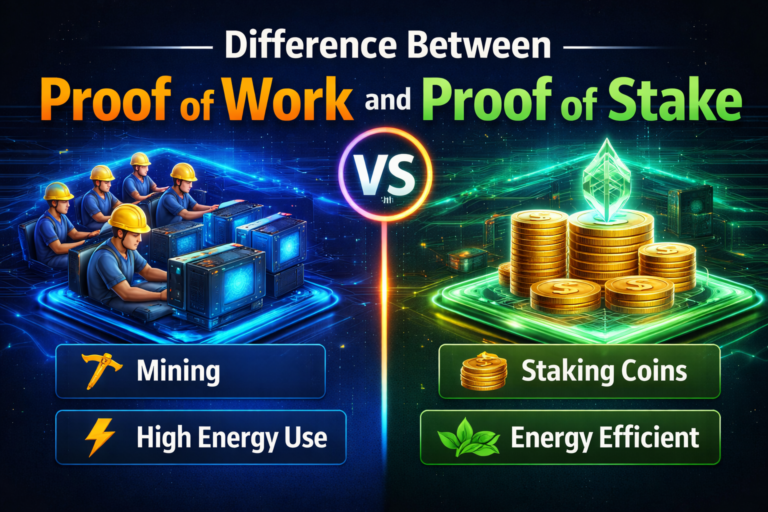
Another challenge is high energy consumption. Some systems require significant computing power to maintain blockchain security.
Regulation is also evolving. Governments around the world are developing policies to regulate digital assets within the growing blockchain ecosystem.
Despite these challenges, innovation continues to improve the efficiency and security of blockchain systems.
Conclusion: How Does Blockchain Work?
Understanding how blockchain works helps explain why this technology is transforming the digital world. Blockchain records transactions in secure blocks that are verified by a decentralized blockchain network.
The system improves transparency and strengthens blockchain security by distributing data across many computers. Tools such as a blockchain explorer allow anyone to verify transactions and understand the activity within the blockchain ecosystem.
As industries continue adopting blockchain technology, its influence will likely expand across finance, healthcare, supply chains, and digital identity systems.
If you want to stay updated with the future of blockchain and cryptocurrency, continue exploring our latest guides and insights about the rapidly growing blockchain ecosystem.
FAQs About How Does Blockchain Work?
How Does Blockchain Work? Easy Guide
Blockchain works like a shared digital record book. Every transaction is stored in blocks and connected in order. Once data is added, it cannot easily be changed, which makes the system secure.
Where Is Blockchain Used?
Blockchain works on a global network of computers connected through the internet. These computers verify and store transactions together, creating a decentralized system without a central authority.
What is the main use of blockchain technology?
The main use of blockchain technology is to record and verify digital transactions securely. It is widely used for cryptocurrencies, smart contracts, supply chain tracking, and secure data storage.
How much is 1 dollar in blockchain?
Blockchain itself is not a currency, so it does not have a price. However, 1 dollar can be converted into cryptocurrencies like Bitcoin or Ethereum, depending on the current market value.